Recovery & Autonomic Physiology
Leveraging deliberate thermal stress, parasympathetic down-regulation, and nervous system measurement to rebound from physical and cognitive loads.
The Stress-Recovery Adaptation Cycle
Health and longevity are not achieved merely by applying stress (exercise, fasting, work), but by successfully recovering from it. In biological terms, hormesis is the process whereby a low-to-moderate dose of a stressor triggers cellular defense mechanisms that make the organism stronger and more resilient. However, if the recovery phase is truncated or ignored, hormetic stress devolves into chronic stress, leading to systemic inflammation and accelerated cellular aging.
Efficient recovery demands an intentional shift of the autonomic nervous system from sympathetic dominance ("fight or flight") to parasympathetic dominance ("rest and digest"). Modern environmental pressures often trap individuals in a state of low-grade sympathetic arousal, impeding optimal recovery.
Deliberate Heat Therapy (Sauna)
Extensive epidemiological studies, notably from Finland, have demonstrated that frequent sauna use (4 to 7 times per week) is associated with a dramatic reduction in cardiovascular disease, neurocognitive diseases like Alzheimer's, and all-cause mortality. Heat therapy acts as a cardiovascular workout mimic, elevating heart rate and improving vascular compliance (the elasticity of blood vessels).
- Temperature and Duration: Optimal protocols typically involve traditional dry saunas heated to 175°F–210°F (80°C–100°C). Sessions of 15 to 20 minutes are standard for triggering the release of Heat Shock Proteins (HSPs).
- Heat Shock Proteins: These molecular chaperones scavenge misfolded proteins inside cells, preventing protein aggregation—a hallmark of neurodegenerative aging.
- Growth Hormone: Prolonged or sequential sauna sessions (interspersed with cooling) have been shown to temporarily but significantly elevate human growth hormone levels, aiding in tissue repair.
Deliberate Cold Exposure
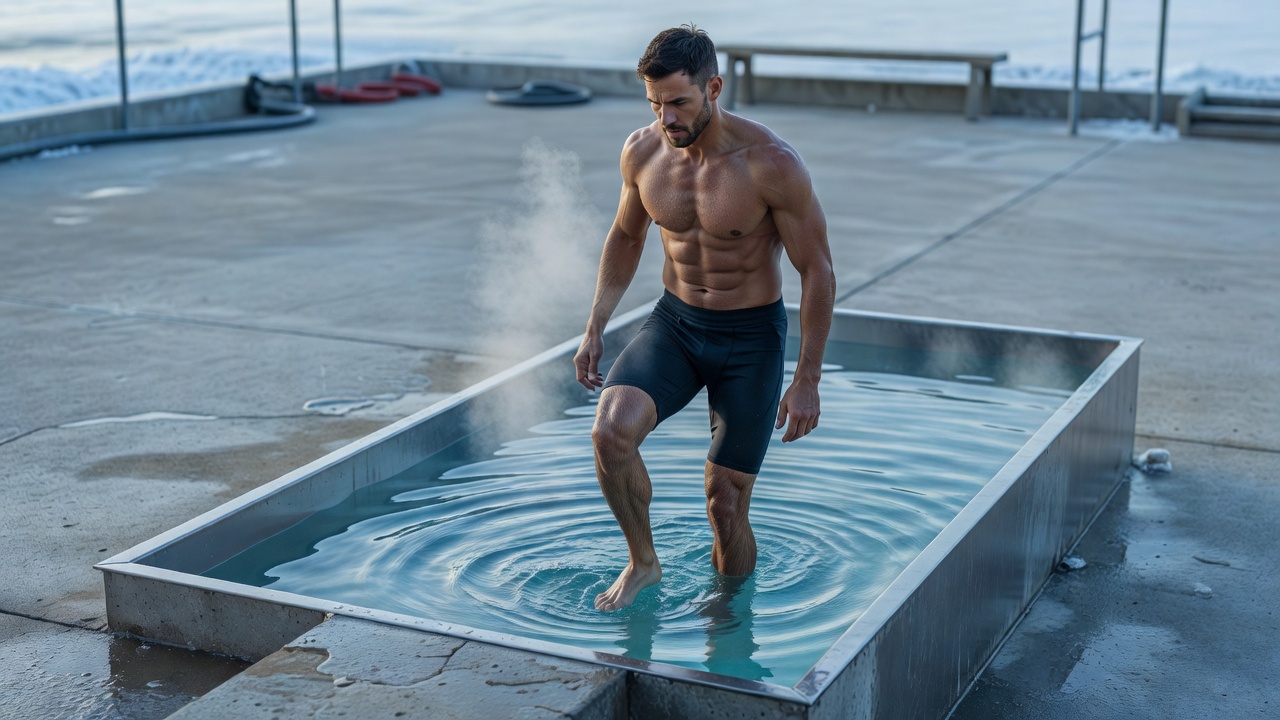
While heat therapy excels at cardiovascular conditioning and protein cleanup, deliberate cold exposure—via ice baths, cold plunges, or cold showers—is a potent tool for neurochemical regulation and metabolic stimulation.
| Benefit | Mechanism | Protocol Example |
|---|---|---|
| Dopamine Elevation | Cold exposure can trigger a sustained 2.5x increase in baseline dopamine, improving focus and mood for hours. | 1-3 minutes at 40°F - 50°F (4°C - 10°C). |
| Brown Fat Activation | Stimulates brown adipose tissue to burn calories for heat generation (non-shivering thermogenesis), improving insulin sensitivity. | 11 minutes total cumulative time per week. |
| Inflammation Reduction | Causes systemic vasoconstriction followed by vasodilation, helping flush metabolic waste from muscle tissues. | Post-endurance training (Avoid immediately after hypertrophy training). |
Crucial Caveat: Cold water immersion severely blunts the inflammatory response required for muscle hypertrophy. If muscle growth is the primary goal of a training session, cold plunging should be delayed by at least 4 to 6 hours post-workout, or shifted to a rest day.
Measuring Recovery: Heart Rate Variability
Heart Rate Variability (HRV) measures the variance in time (in milliseconds) between successive heartbeats. Counterintuitively, a highly regular heartbeat indicates high sympathetic stress, while a highly variable heartbeat indicates robust parasympathetic control and a state of readiness.
Tracking HRV via a chest strap or advanced wearable allows individuals to quantify their recovery status daily. When HRV drops significantly below an individual's personal baseline, it is an objective signal to prioritize active recovery protocols (light walking, breathwork, thermal therapy) over high-intensity training. Ignoring suppressed HRV frequently leads to overtraining, illness, and injury.
Parasympathetic Down-Regulation
Active recovery techniques can rapidly shift the nervous system state. Respiratory protocols are the most direct remote control for the autonomic nervous system. Protocols such as the "physiological sigh" (two rapid inhales through the nose followed by a long, slow exhale through the mouth) rapidly decrease heart rate and sympathetic tone.
Incorporating 5 to 10 minutes of deliberate breathwork, meditation, or Yoga Nidra (Non-Sleep Deep Rest) during the workday or immediately post-exercise dramatically accelerates the onset of the parasympathetic recovery phase, optimizing the adaptation response.